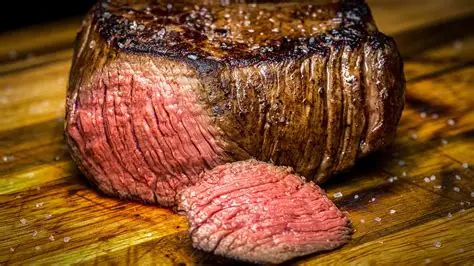

There is nothing more satisfying than cutting into a perfectly cooked steak with a beautifully caramelized crust and a juicy, tender center. This Perfect Pan-Seared Garlic Butter Steak recipe delivers restaurant-quality results right in your own kitchen using simple ingredients and an easy cooking method. Whether you’re preparing a romantic dinner, celebrating a special occasion, or simply treating yourself to an incredible homemade meal, this steak recipe is guaranteed to impress. The combination of a rich golden crust, melted garlic butter, and fragrant fresh herbs creates an unforgettable flavor that perfectly complements the natural richness of the beef. Best of all, you don’t need expensive equipment or advanced cooking skills to achieve a steakhouse-quality result.
The secret to cooking the perfect steak is choosing a quality cut of beef, seasoning it generously, and cooking it over high heat to develop a flavorful crust while keeping the inside juicy and tender. Finishing the steak with garlic butter, fresh rosemary, and thyme adds incredible depth of flavor that takes every bite to the next level. Once you master this simple technique, you’ll never need to visit a steakhouse again.
Why You’ll Love This Recipe
This pan-seared steak is incredibly juicy, tender, and packed with bold, buttery flavor. It requires only a few simple ingredients and can be ready in less than thirty minutes. The outside develops a delicious golden-brown crust while the inside remains perfectly cooked to your preferred level of doneness. This recipe is suitable for beginners yet produces professional-quality results every time.
Ingredients
2 thick-cut ribeye, filet mignon, New York strip, or sirloin steaks (about 1½ inches thick)
2 tablespoons olive oil
2 teaspoons coarse sea salt
1 teaspoon freshly ground black pepper
1 teaspoon garlic powder
1 teaspoon onion powder
1 teaspoon smoked paprika (optional)
4 tablespoons unsalted butter
4 garlic cloves, smashed
2 sprigs fresh rosemary
2 sprigs fresh thyme
1 tablespoon chopped fresh parsley
Kitchen Equipment
Large cast iron skillet or heavy frying pan
Kitchen tongs
Meat thermometer
Cutting board
Sharp knife
Small spoon
Paper towels
Serving platter
Choosing the Right Steak
The quality of the steak plays a major role in the final result. Ribeye is known for its rich marbling and exceptional flavor, making it one of the best choices for pan-searing. Filet mignon offers unmatched tenderness, while New York strip provides a balance of tenderness and beefy flavor. Sirloin is an excellent budget-friendly option that still produces delicious results when cooked properly. Choose steaks that are at least one to one-and-a-half inches thick to ensure a juicy interior and a beautiful crust.
Preparing the Steak
Remove the steaks from the refrigerator about thirty to forty-five minutes before cooking. Allowing the meat to come closer to room temperature helps it cook more evenly. Pat both sides completely dry with paper towels to remove excess moisture. A dry surface is essential for achieving a crisp, caramelized crust.
Drizzle both sides lightly with olive oil. Season generously with coarse sea salt, black pepper, garlic powder, onion powder, and smoked paprika if using. Press the seasoning gently into the meat so it adheres well.
Heating the Pan
Place a cast iron skillet over medium-high to high heat and allow it to become extremely hot before adding the steak. A properly heated pan is the key to creating the deep brown crust that locks in juices and develops incredible flavor.
Once the skillet is smoking lightly, add a small amount of olive oil and carefully place the steaks into the pan. Avoid overcrowding the skillet because this lowers the temperature and prevents proper searing.
Searing the Steak
Cook the steak without moving it for approximately three to four minutes on the first side. This allows a rich golden crust to develop. Flip the steak only once using kitchen tongs and cook the second side for another three to four minutes.
Reduce the heat slightly and add the butter, smashed garlic cloves, rosemary, and thyme. As the butter melts, tilt the pan slightly and use a spoon to continuously baste the steaks with the hot garlic herb butter for one to two minutes. This technique adds moisture, flavor, and a beautiful glossy finish.
Checking for Doneness
For the best results, use a meat thermometer instead of relying only on cooking time.
Rare: 120–125°F (49–52°C)
Medium Rare: 130–135°F (54–57°C)
Medium: 140–145°F (60–63°C)
Medium Well: 150–155°F (65–68°C)
Well Done: 160°F (71°C) or above
Remember that the internal temperature will continue to rise slightly while the steak rests.
Resting the Steak
Transfer the cooked steaks to a cutting board or serving platter and allow them to rest for at least five to ten minutes before slicing. Resting allows the juices to redistribute throughout the meat, resulting in a much juicier steak. Cutting too soon causes the flavorful juices to run out onto the plate.
Serving Suggestions
Serve the steak with creamy mashed potatoes, roasted baby potatoes, grilled asparagus, buttered green beans, sautéed mushrooms, roasted Brussels sprouts, or steamed vegetables. Fresh Caesar salad, garlic bread, or roasted corn also pair beautifully with this meal. For an extra touch of richness, drizzle any remaining garlic butter from the skillet over the sliced steak before serving.
Helpful Tips
Choose steaks with good marbling because the fat melts during cooking, adding flavor and tenderness. Always dry the steak thoroughly before seasoning to achieve the best crust. Avoid flipping the steak repeatedly, as leaving it undisturbed allows proper caramelization. Use fresh herbs whenever possible because they produce a more aromatic butter sauce. Never skip the resting period, as it is essential for juicy, tender meat.
Flavor Variations
This recipe can easily be customized with different flavors. Add crushed red pepper flakes for a spicy kick, or stir grated Parmesan into the melted butter for extra richness. A splash of Worcestershire sauce during the final minute of cooking creates a deeper savory flavor. You can also finish the steak with a drizzle of balsamic glaze for a sweet and tangy contrast.
For a smoky outdoor version, grill the steak over high heat instead of using a skillet while still finishing it with the garlic herb butter after cooking.
Storage Instructions
Allow leftover steak to cool completely before storing it in an airtight container. Refrigerate for up to four days. Reheat gently in a skillet over low heat with a small amount of butter to prevent the meat from drying out. Leftover steak is also excellent in sandwiches, wraps, tacos, salads, pasta, fried rice, or breakfast hash.
You can freeze cooked steak for up to three months. Wrap it tightly in plastic wrap followed by aluminum foil before placing it in a freezer-safe container.
Frequently Asked Questions
Many people ask why their steak turns out tough. The most common reasons are overcooking, using a thin cut of meat, or skipping the resting period. Choosing a well-marbled steak and cooking it only until the desired internal temperature helps ensure tenderness.
Another common question is whether butter should be added at the beginning of cooking. It is better to add butter during the final minutes because butter burns quickly over high heat. This allows the butter to stay rich and flavorful while coating the steak perfectly.
Some home cooks wonder whether they need a cast iron skillet. Although cast iron provides the best heat retention and crust formation, any heavy-bottomed skillet can be used successfully if heated properly.
Nutritional Information
Each serving contains approximately 620 calories, 45 grams of protein, 48 grams of fat, 2 grams of carbohydrates, 1 gram of fiber, and 650 milligrams of sodium. Nutritional values may vary depending on the cut of beef and portion size.
Final Thoughts
This Perfect Pan-Seared Garlic Butter Steak is everything a great steak should be—crispy on the outside, tender and juicy on the inside, and bursting with rich buttery garlic flavor. With only a handful of quality ingredients and a simple cooking technique, you can create a steakhouse-quality meal that rivals your favorite restaurant. Whether served with mashed potatoes, roasted vegetables, or a fresh salad, this recipe is guaranteed to impress family and guests alike. Once you experience the incredible flavor, juicy texture, and beautiful caramelized crust of this homemade steak, it will quickly become one of your favorite dinner recipes for holidays, celebrations, and everyday indulgence.